
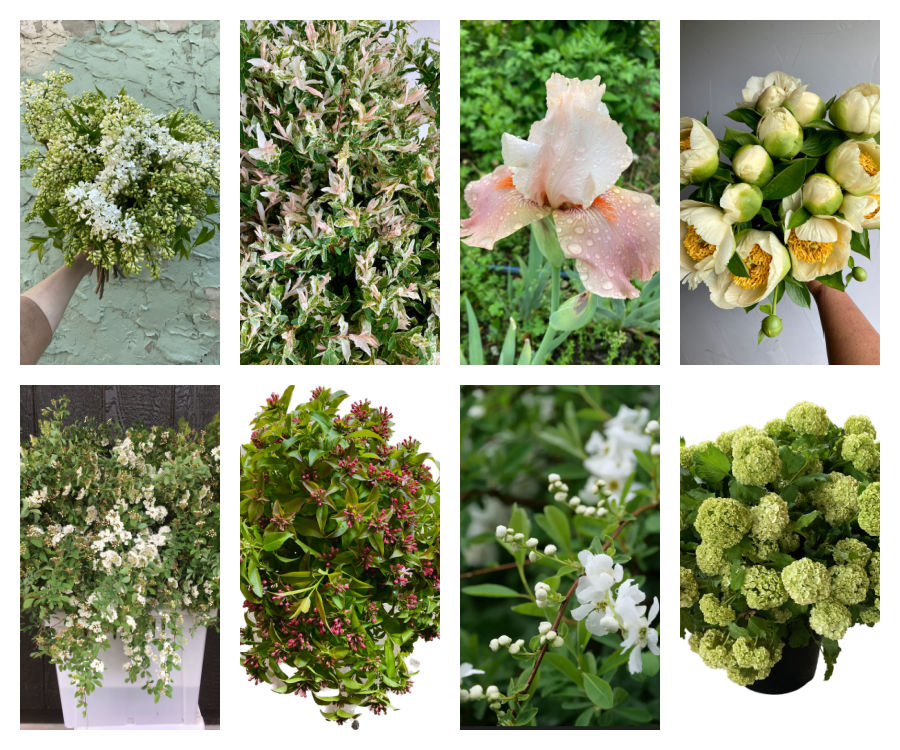
Late April into early May is one of the most exciting—and fleeting—moments of the local flower season in Philadelphia.
This short “micro season” within spring brings a wave of highly sought-after blooms and branches that may only be available for 7–10 days before disappearing for the year. For florists sourcing locally grown flowers, timing is everything.
Below is your guide to the most important ephemeral spring flowers to watch for right now—and how to use them in your designs.
Why These Spring Flowers Are So Fleeting
Unlike imported flowers, locally grown spring blooms are highly responsive to weather patterns. A few warm days can accelerate bloom time, while rain or cold snaps can shorten availability dramatically.
Many of these crops—like lilac, mock orange, and bearded iris—only bloom once per year. That means when they’re ready, they’re ready now. For wholesale buyers, this creates a narrow window of opportunity to source some of the most unique and fragrant stems of the season.
Ephemeral Spring Flowers to Watch For
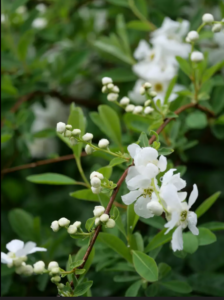
Pearl Bush (Exochorda)
Pearl bush features delicate white buds that resemble strings of pearls before opening into wide, soft blooms. Paired with fresh green foliage, it works beautifully as both a filler and a flowering branch.
Design tip: Keep well hydrated—this stem wilts quickly if left dry.
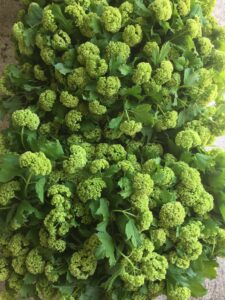
Snowball Viburnum
Often mistaken for green hydrangea, snowball viburnum offers large, cloud-like blooms on long, sturdy stems. It’s a staple for Mother’s Day designs and adds instant volume to arrangements.
Best for: Centerpieces, installations, and event work.
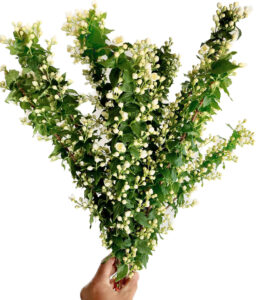
Mock Orange (Philadelphus)
A classic garden shrub with intensely fragrant white blooms, mock orange is typically available for just one week around early May.
Why florists love it: The scent alone elevates any arrangement.
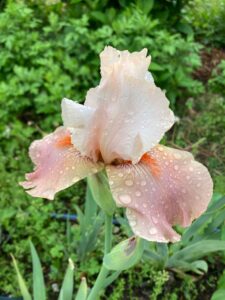
Bearded Iris
Bearded iris bring a painterly quality to spring designs, with colors ranging from soft pastels to rich, moody tones.
Watch out: Highly weather-sensitive—availability can disappear quickly with heat or rain.
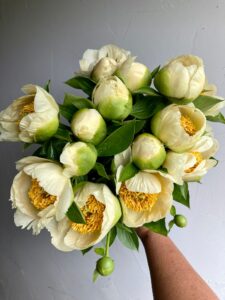
Single Peonies
Single peonies offer a more open, airy alternative to traditional double peonies. With exposed centers and fewer petals, they resemble elegant poppies—but with stronger stems.
Notable varieties: Soft Salmon Saucer, Jan Van Leeuwen, and Krinkled White
Important: These do not handle long-term dry storage well—plan to use immediately.
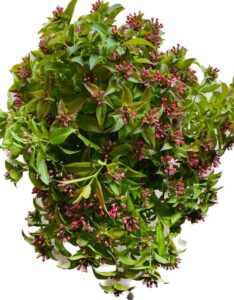
Abelia
Abelia combines soft pink and white blooms with glossy foliage, making it a versatile design ingredient.
Why it stands out: It functions as both structure and detail in one stem.
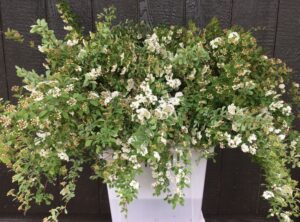
Spirea ‘Bridal Veil’
This variety of spirea features long, arching branches covered in blooms and foliage simultaneously.
Best use: Large-scale designs and installations needing movement and lightness.
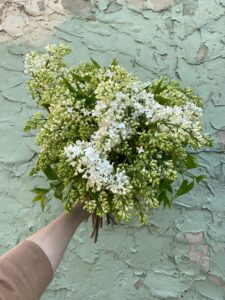
Lilac
Few flowers are as beloved—or as fleeting—as lilac. Its signature fragrance makes it a must-have for spring, but bloom time varies significantly depending on weather and location.
In the Philadelphia region: Urban farms: mid-April, Outlying farms: early May
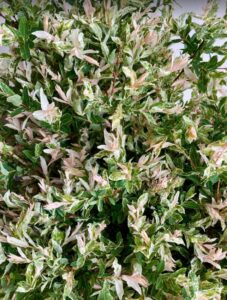
Dappled Willow
A standout foliage with variegated tones of peach, blush, cream, and green. Its flexible stems make it incredibly versatile.
Care note: Keep fully hydrated—this stem collapses quickly without water.
Why Seasonality Matters for Florists
Working with seasonal flowers requires flexibility—but it also offers access to materials that simply cannot be shipped or replicated.
Many of these ephemeral spring stems:
- Do not transport well over long distances
- Have superior fragrance when grown locally
- Offer unique textures and movement not found in imports
Their short window is exactly what makes them so desirable.
How to Source These Flowers in Philadelphia
At the Philadelphia Floral Guild, these ephemeral spring flowers are available through our weekly wholesale inventory as they come into season.
Because availability shifts quickly, florists are encouraged to:
- Check inventory frequently
- Place orders early in the sales window
- Stay flexible with design recipes
Plan Ahead for Next Spring
Missed something this year? These crops return each spring—but never on an exact schedule. Bookmark this guide or revisit our seasonal availability resources to plan ahead and make the most of this brief but extraordinary window.