
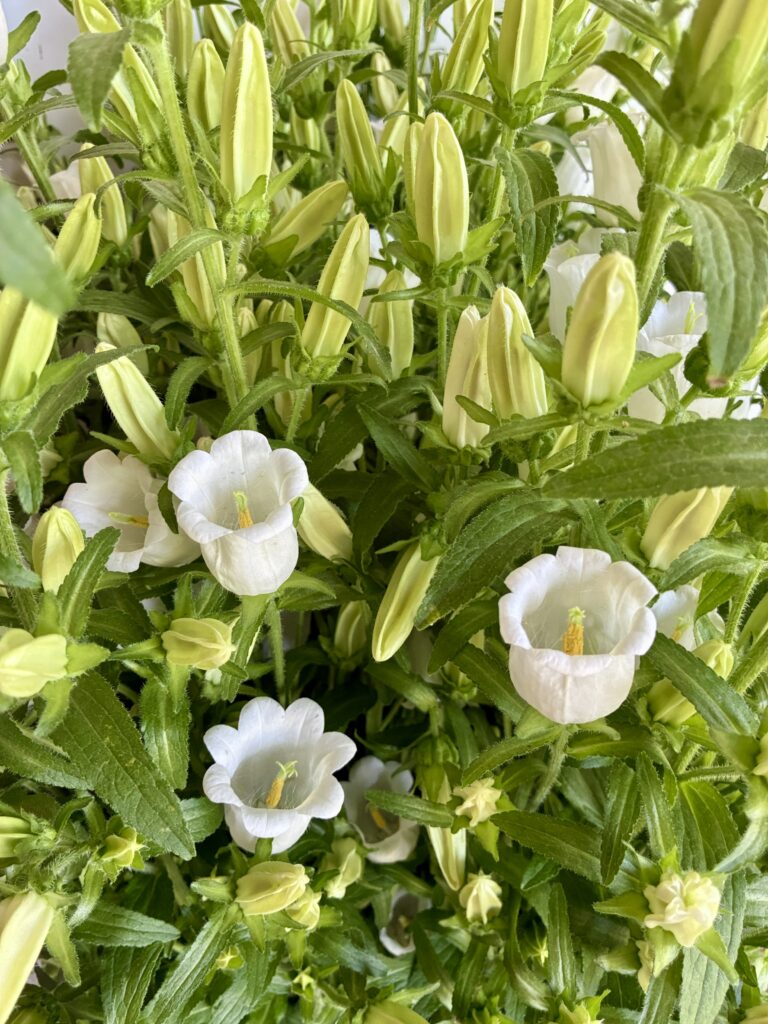
One of the quiet arts of floristry is learning to see a flower not just for what it is today, but for what it is about to become. A stem cut at the perfect stage of harvest may not look fully “finished” when it first arrives in your cooler — and that’s often exactly the point. At Philadelphia Floral Guild, many of our flowers are harvested at a different stage than what you might see coming through other floral sources. We thought it might be helpful to share a little more about why we do that, especially because it’s something you can pass along to your own customers as they enjoy flowers at home.
Flowers are living things, still actively moving through their life cycle after harvest. If cut too open, many varieties simply don’t have enough energy reserves left to travel, hydrate, design, and still offer a satisfying vase life to the end customer. Harvesting slightly earlier, usually in closed bud stage, allows the flower to continue opening naturally in the vase, where the customer gets to experience the bloom unfolding day by day.
At the same time, there is such a thing as harvesting too tight. Some flowers in the global supply chain are cut extremely immature so they can better withstand long-distance shipping and storage. While this protects the bloom during transport, it can sometimes result in flowers that never fully open or develop properly in the vase.
That’s where grower skill, timing and proximity come in. PFG growers are constantly observing their crops and harvesting at the “sweet spot” — developed enough that the flower will unfurl beautifully for the customer, but still tight enough to maximize vase life. It’s a balance that requires experience, attention, and an understanding of how each variety behaves after harvest and through our short supply chain.
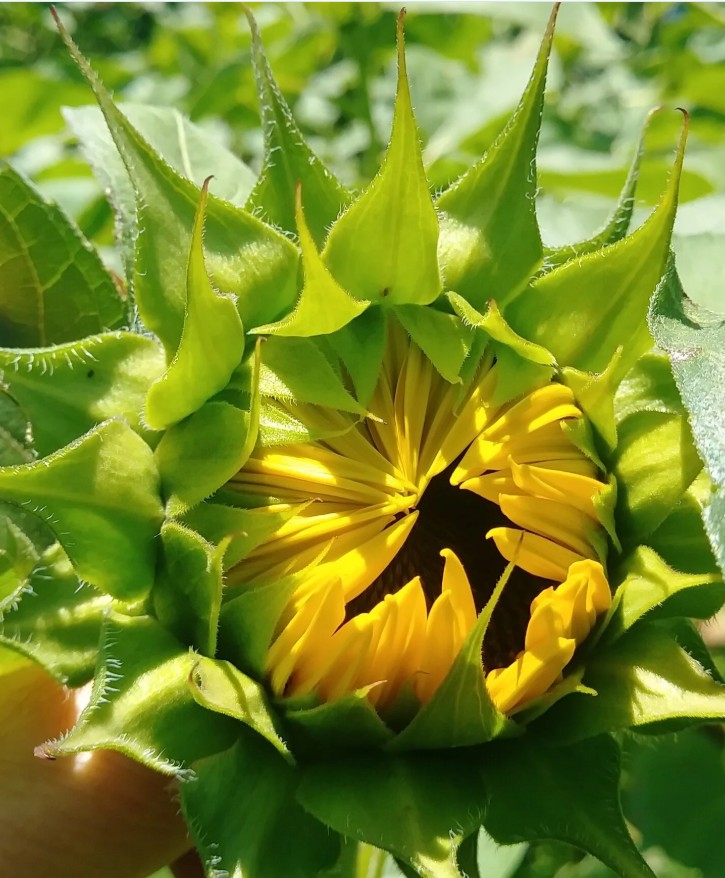
Think of peonies arriving in marshmallow bud, lilies just showing color but not yet open, poppies still folded up in their protective fuzzy sepals, dianthus with just two or three florets open, and sunflowers with petals just beginning to crack from the center. Even flowers like campanula often perform best when not fully open at harvest. A stem that looks “tight” on Wednesday will be absolutely glorious by Friday or Saturday.
This is one of the major differences between local flowers and flowers that have traveled long distances. Because PFG growers harvest close to home and deliver quickly, they can cut at the ideal physiological stage rather than aiming purely for transport durability. The result is flowers that continue evolving beautifully for your customers instead of either peaking all at once — or never fully opening at all.
Educating your retail customers about vase life can make a tremendous difference in their experience with flowers. A bouquet that appears ho-hum on day one is often actually a bouquet with many days of spectacular beauty still ahead. Helping customers understand that flowers are meant to open in the vase can shift expectations from instant gratification toward appreciation of the entire blooming process.
In many ways, locally-grown flowers invite us back into seasonality and natural timing. Not every bloom arrives looking like it’s immediately ready for a magazine cover. Some of the magic is in the unfolding. And honestly, we think that’s part of the romance of flowers in the first place. Let your customers know their flowers were picked at the perfect moment.